Posts

Does Anti Anxiety Dog Treats Really Work?

Image
Anti anxiety dog treats are generally safe for canines. The majority of these treats are manufactured with natural elements like chamomile, L-tryptophan, hemp, melatonin to help promote stress relief and a calm feeling. However, all dogs respond differently to the ingredients present in these treats. So, it is significant to get in touch with the veterinarian before giving new treats and also to monitor the dog for reactions or side effects. Calming treats might create a sedative or drowsy effect.  Ensure to search for dog treats that are either recommended or formulated by a veterinarian. These products undergo rapid testing to validate ingredients and power labels and have high-quality and transparent manufacturing processes.  Find the best delivery system Anti anxiety dog treats  come in various forms such as tinctures, sprays, tablets, pills, chews, and also plug-in diffusers that help release calming pheromones. Prior to giving any sort of dog treat to the dog, you n...
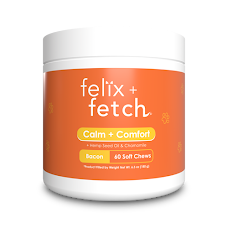
What Drug-Free Remedies Can You Use To Calm Your Dog?

Image
It’s not hard to manage your dog’s hyperactive nature. Once you understand why they are acting hyper, you can help them better. Medications might not be the best solution for pets if they have anxiety issues. Thus, veterinarians suggest giving anti-anxiety treats and calming chews for hyper dogs to help them. Let’s get to know the drug-free remedies to calm your dog. 1. Soft calming chews Calming chews for dogs are safe and can be very appetizing. The main ingredient in them is generally L-Theanine that would keep your doggy calm without feeling drowsy. After taking calming bites, you can give them some time for the calmness to settle.   The calming effect can last up to four to eight hours. You can notice the positive result of the calming chews for hyper dogs, maybe within two to four days. Although with daily use, you can get the optimum benefit of calming chews after three to four weeks. 2. Anti-anxiety treats and supplements Most veterinarians consult using calming treats to r...